
November 4, 2026
Wedding Posing Techniques That Feel Like You
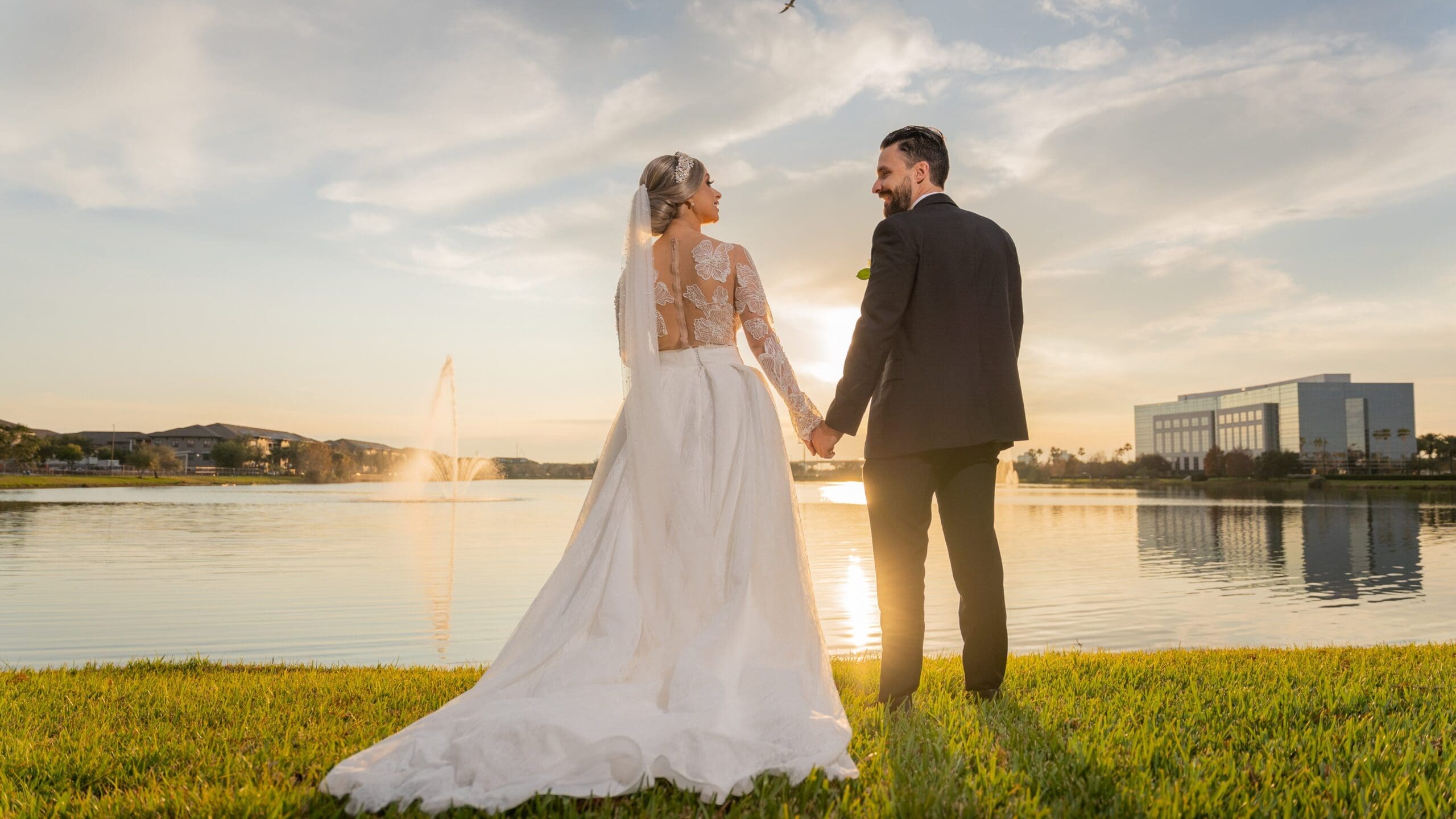
A wedding portrait should never feel like a pause button on your celebration. The most meaningful images hold the feeling of the day: your hand finding your partner’s, a breath before the ceremony, the laughter that arrives when you forget the camera is there. Thoughtful wedding posing techniques create that sense of ease. They give each image shape and intention without asking you to perform a version of yourselves that does not feel true.
For couples who value refined imagery but do not want stiff, overly directed portraits, the answer is not to eliminate posing altogether. It is to work with a photographer who knows how to guide gently, read the moment, and leave room for real connection to unfold.
Why wedding posing techniques should never look posed
A beautifully composed wedding photograph is often more directed than it appears. The difference is in the direction itself. Rather than placing every finger and prescribing every expression, an experienced photographer creates a framework: where to stand in the light, how to angle toward one another, where to rest your hands, and what small movement will bring the image to life.
Within that framework, you have room to be present. You might be asked to settle into each other, take a slow walk, bring your foreheads together, or tell your partner what you were thinking when you first saw them that day. These prompts are not tricks. They are invitations back to the relationship at the center of the wedding.
There is a practical reason this approach matters, too. Fully static poses can feel unfamiliar to couples who are not professional models, and that tension shows. Constant movement, on the other hand, can make it difficult to create the composed, editorial portraits that belong in a timeless collection. The most elegant work lives between those extremes: intentional placement, then genuine interaction.
Begin with comfort, not a pose
The strongest portraits begin before the wedding day. An engagement session is a valuable opportunity to learn how you naturally move together and to experience being photographed without the emotion and compressed timeline of a wedding. By the time your celebration arrives, the camera is no longer an unknown presence, and simple guidance feels familiar.
On the day itself, comfort starts with pacing. Portrait time should not feel rushed or isolated from the celebration you spent months creating. A well-designed timeline protects a quiet window for portraits, ideally when the light is flattering and you can step away without worrying about what you are missing. At an Orlando estate, a Miami ballroom, or a destination venue, the architecture and light may change, but the principle remains the same: calm creates better photographs.
Your photographer should also consider the reality of what you are wearing. A sculptural gown, a long veil, a formal tuxedo, or a dramatic train can create extraordinary lines, but each asks for a different pace and posture. There is no value in forcing a fast-moving pose when your clothing calls for a quieter, more deliberate frame.
Build the portrait from the ground up
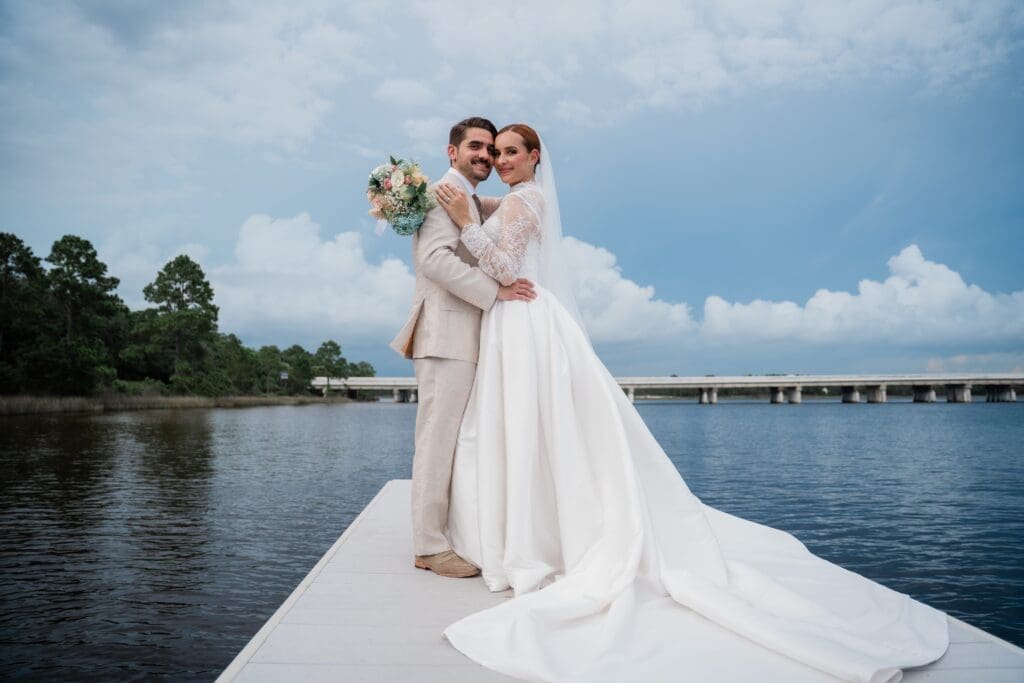
Natural-looking posture is rarely accidental. Start with a balanced stance rather than standing squarely toward the camera. Turning the body slightly, shifting weight into one leg, and relaxing the shoulders immediately creates a more graceful shape. From there, the couple can be brought together with a gentle point of connection: a hand at the waist, fingers intertwined, an arm resting naturally around a shoulder.
Hands deserve particular care because they communicate tension quickly. They do not need to be hidden, but they do need a purpose. Holding a bouquet, adjusting a lapel, resting a hand at the back of a neck, or allowing your fingers to meet your partner’s gives them somewhere natural to go. Small refinements can make a substantial difference, yet they should never become so fussy that they interrupt the moment.
A calm photographer will make these adjustments with clarity and kindness. You should not have to wonder what to do with your body or whether you are doing it correctly. Clear direction frees you to stop thinking about the camera.
Use movement to create unscripted elegance
Once the foundation is in place, movement softens a portrait. A slow walk through a courtyard, a turn toward a window, or a gentle sway during a private moment can introduce dimension into the image and release any remaining self-consciousness.
The key is to keep the action simple. A hurried walk, exaggerated spin, or trend-driven gesture may produce energy, but it can also feel disconnected from a refined wedding day and date quickly. Movement should fit the setting, your attire, and your personalities. In a historic venue, a measured walk beneath an archway may feel effortless. On a windswept coastal terrace, holding close while the veil moves naturally may tell the more honest story.
Eye line matters here as much as body position. Looking into the camera can be powerful when the image calls for confidence and editorial polish. Looking toward your partner often brings tenderness. Looking away can create a quiet, cinematic feeling. A varied gallery needs all three, but the choice should serve the photograph rather than follow a formula.
Let connection lead the expression
A request to “smile” can create a smile. It cannot always create warmth. The expressions that endure tend to come from a real exchange between the two of you. During portraits, your photographer may give you a private prompt, then step back long enough for the response to happen. That space is where laughter, anticipation, and tenderness often appear.
This does not mean every image must be joyful in the same way. A wedding day contains more than one emotion. Some portraits should feel celebratory; others may be quiet, intimate, or almost still. A sophisticated gallery honors that range. It records the joy of being surrounded by loved ones, but also the gravity of making a promise and the relief of finally having a moment alone together.
Make room for editorial portraits and documentary moments
Couples sometimes assume they must choose between polished portraiture and candid photography. In reality, each makes the other more meaningful. Editorial portraits preserve the visual details you chose with care: the cut of the gown, the architecture of the venue, the florals, the light, and the way you looked at the beginning of your marriage. Documentary images preserve the life happening around those details.
The balance depends on your priorities. If you chose a venue for its design and want a statement portrait for your album, allow time for a more composed frame. If being present with your guests is your highest priority, a photographer can keep portrait direction efficient and build much of the story through observation. Neither approach is more correct. The right approach reflects the experience you want to remember.
This is for you if you want to feel guided without being managed, if you care about beautiful images without wanting to spend your wedding day creating content, and if you want photographs that still feel personal when your family looks through them decades from now.
Trust the details you cannot see in the moment
The finest posing often happens quietly. It is the photographer noticing that a shoulder has tightened, that the bouquet is covering the waistline of the gown, that the sun has shifted, or that your partner has made you laugh just as the formal pose begins to dissolve. These observations protect the visual quality of the image while allowing the emotion to remain unforced.
At Frank Suero Photography, that balance is built through a relationship-led process: learning what matters to you, planning with intention, and offering calm direction when it is useful. The goal is never to turn your wedding into a photo shoot. It is to create space for images worthy of lasting heirlooms while keeping you connected to the people and moments that made the day yours.
When you choose portraits over poses, you give yourselves something more lasting than a collection of flattering images. You preserve the way it felt to stand together, beautifully dressed, fully present, and on the threshold of the life you are building.
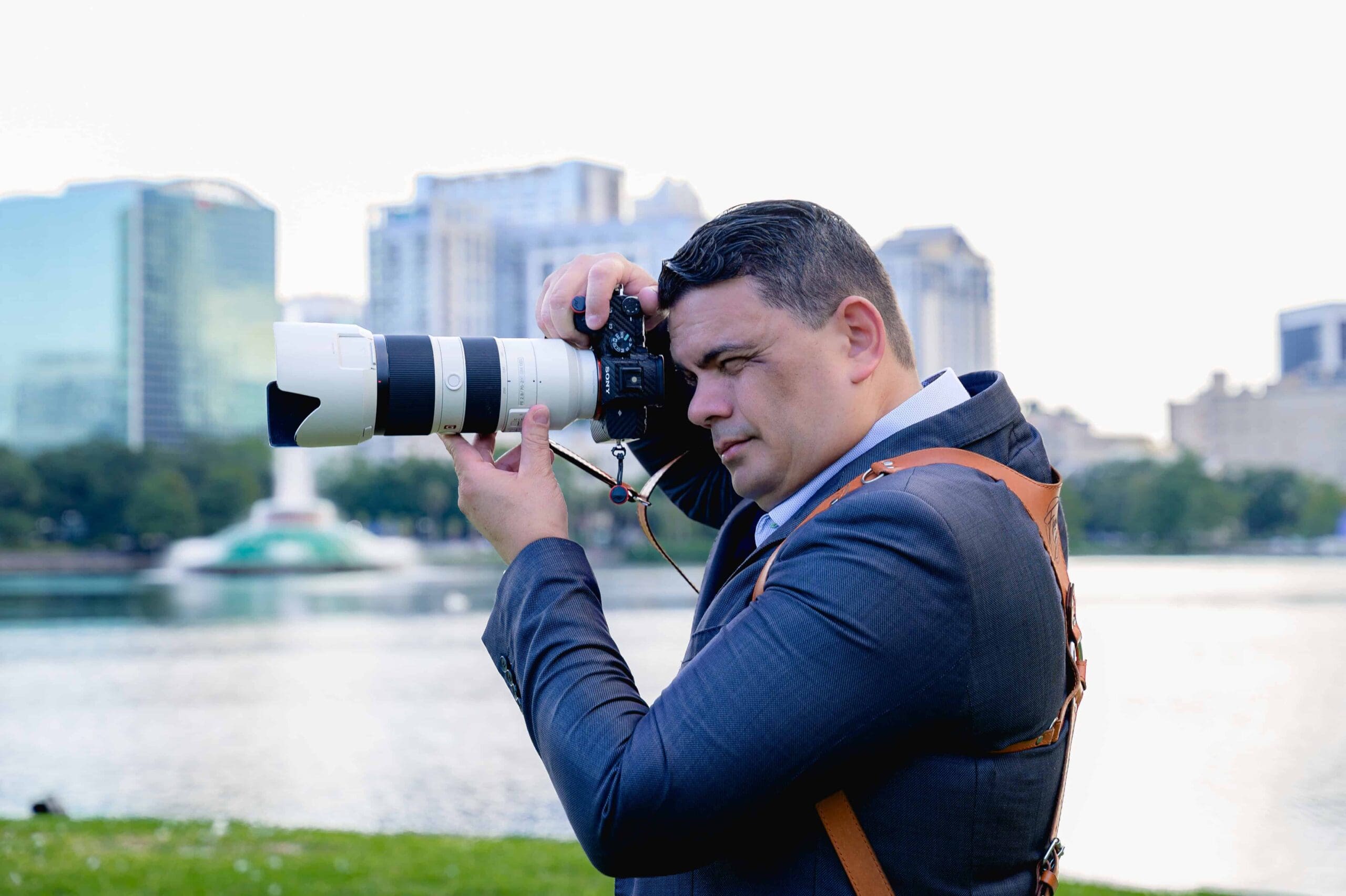
I’m Frank Suero, a wedding and engagement photographer based in Orlando, Florida, with a deep passion for capturing love stories in their purest, most timeless form. To me, photography is more than simply documenting a moment—it is about preserving the essence of a couple’s journey, transforming fleeting emotions into lasting heirlooms. Every glance, every embrace, and every quiet, intimate moment carries a story, and my purpose is to ensure that story is told with authenticity, elegance, and depth.


