
October 13, 2026
Intimate Wedding Storytelling That Lasts
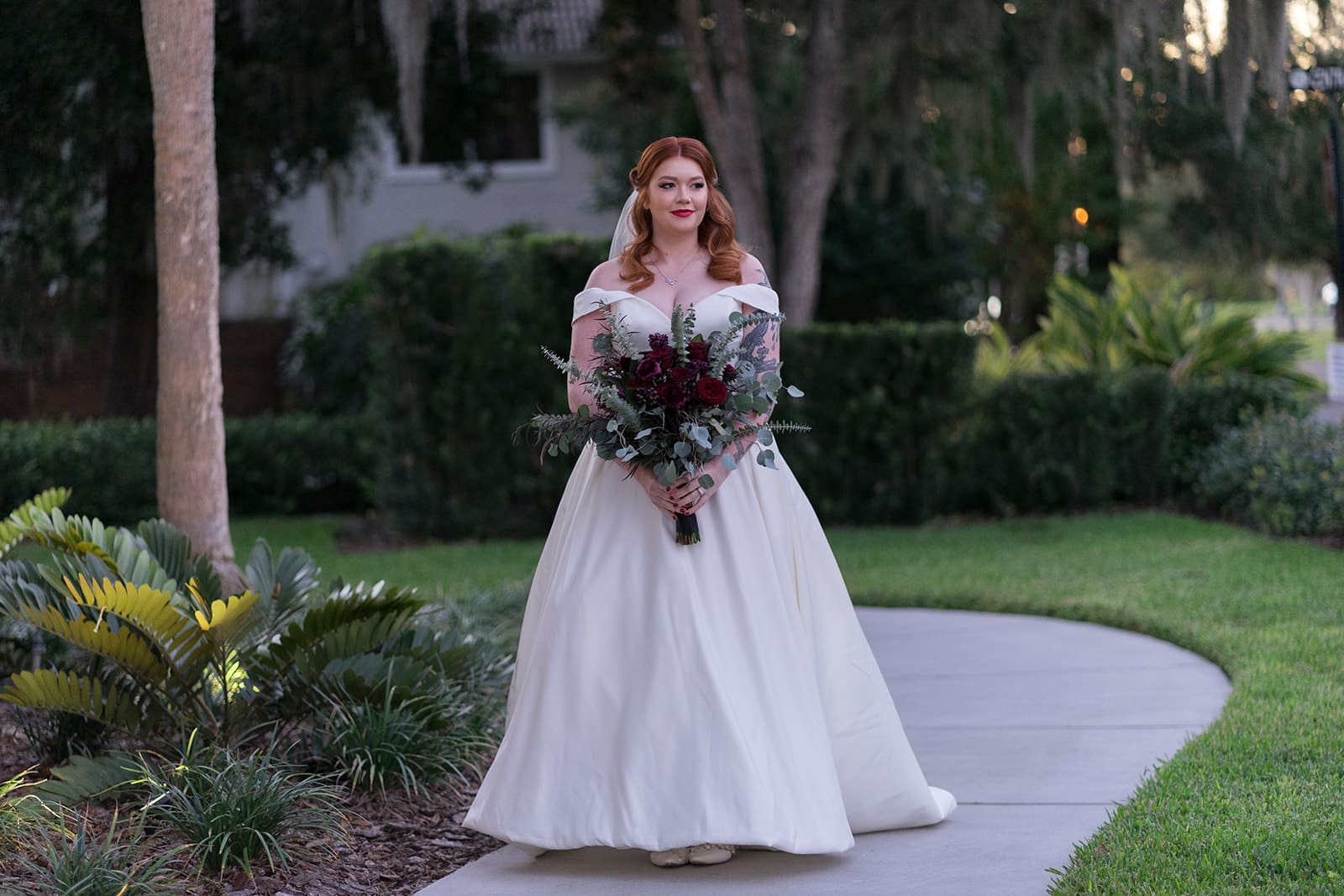
The most meaningful wedding photographs are rarely the ones that announce themselves. They are the quiet seconds: your father looking at you before the ceremony, a hand finding yours beneath the dinner table, the laughter that breaks through during a toast. Intimate wedding storytelling gives those moments the same care as the grand entrance, the fashion, and the flowers. It creates a record of how the day felt, not simply proof that every planned detail was there.
For couples planning a refined celebration, this distinction matters. A beautiful venue and considered design deserve to be photographed with intention, but the lasting value of your images lives in the people who gathered around you. Years from now, the expression on your grandmother’s face or the way your friends filled the dance floor may carry more weight than a perfectly arranged tablescape. The artistry is in holding both truths together.
What Intimate Wedding Storytelling Actually Preserves
Intimacy is not determined by guest count. A 25-person dinner in a private villa can feel expansive and cinematic; a 200-person celebration in a historic hotel can still be deeply personal. The difference is whether the photography pays attention to the relationships at the center of the day.
That means noticing the small emotional currents that move through a wedding. It is the anticipation in a quiet suite before getting dressed, the reassuring glance exchanged during a ceremony, and the welcome relief when you finally sit beside one another at dinner. These images cannot be manufactured from a checklist. They require a photographer who understands when to guide and when to let life unfold.
A story also needs context. The architecture of an estate, the texture of hand-torn stationery, candlelight across a reception table, and the movement of a carefully chosen gown establish the atmosphere around the people you love. Fine-art imagery gives those elements their place without allowing them to overpower the human story. The result feels elevated because it is intentional, not because every frame is overly controlled.
Why Presence Changes the Photographs
Couples often worry that candid photography means being left without direction. In practice, the strongest intimate wedding storytelling relies on both thoughtful guidance and room to be yourselves. You should not have to spend the day wondering where to stand, what to do with your hands, or whether a meaningful family photograph has been missed.
Calm direction creates the conditions for natural emotion. During portraits, a photographer can give you a simple place to begin, then allow the interaction between you to take over. Rather than holding a rigid pose for the camera, you have space to talk, move, laugh, and settle into one another. The images retain an editorial polish while still looking like your relationship.
The same is true throughout the celebration. A well-considered timeline protects time for portraits, family formals, and the details you invested in, while preserving unhurried pockets for you to be present. Without that structure, couples may feel pulled away from their guests all evening. With it, photography becomes a steady presence in the background rather than another demand on the day.
There is a trade-off worth acknowledging. Completely documentary coverage can capture wonderfully spontaneous moments, but it may not provide the refined portraits or intentional design imagery many couples value. Conversely, a heavily directed approach can produce polished images while flattening the personality of the day. The most enduring galleries move naturally between the two.
The Relationship Comes Before the Wedding Day
Trust does not begin when a photographer arrives with cameras in hand. It begins in the conversations that reveal what matters most to you: the people you cannot imagine celebrating without, the traditions you want to honor, the parts of the day that feel especially emotional, and the visual atmosphere you are creating.
An engagement session is often an important part of that process. It is not simply a chance to have photographs for an announcement or save-the-date. It gives you the experience of being photographed without the pace and emotion of a wedding day. You learn that you do not need to perform, and your photographer learns the gestures, humor, and quiet connection that make your relationship distinct.
That familiarity is especially valuable for destination celebrations or multi-day wedding weekends. When events unfold across a welcome gathering, ceremony, dinner, and farewell brunch, a photographer who already understands your priorities can follow the thread of the story with greater ease. The images feel connected rather than like a collection of separate occasions.
This Is for You If You Want More Than Perfect Poses
This approach is for you if you appreciate a refined portrait but never want your wedding to feel like a photoshoot. It is for you if your family heritage, your closest friendships, and the atmosphere of the room matter as much as the visual details. And it is for you if you want someone who can make decisive recommendations while respecting the fact that the celebration should still feel like yours.
You may not need a long list of trending images recreated exactly as they appeared online. Trends can offer inspiration, but they can also place a strange distance between you and your own experience. A photograph becomes timeless when it reflects your taste and your connection, not when it repeats a moment designed for someone else’s celebration.
This does not mean abandoning a vision. Share the images, colors, settings, and emotional qualities that draw you in. Then allow your photographer to translate that vision into something responsive to your actual wedding, your light, your guests, and the way the day unfolds. A meaningful visual narrative needs a point of view, but it also needs room for surprise.
Let the Day Breathe
Some of the most affecting photographs happen in transitions: after the ceremony, before the reception doors open, during the few minutes when the music changes and guests gather close. These moments disappear when every part of a timeline is compressed to the minute.
Build in breathing room where you can. Consider a first look if private time together before the ceremony would help you feel grounded, but do not choose it solely because it is expected. Reserve a few minutes after family portraits to step away together. Protect time for sunset portraits if the light and setting are important to you, yet remain flexible if the day offers something more compelling elsewhere.
A thoughtful photographer will help you weigh these decisions against the experience you want. At an Orlando resort wedding, that may mean working around intense afternoon light and giving guests a cool, comfortable window before cocktail hour. At a destination celebration, it may mean planning portraits around travel logistics, architecture, or a changing coastal sky. The goal is never to force the day into a formula. It is to make space for what will matter when you look back.
From Gallery to Family Heirloom
A digital gallery makes it easy to revisit the day, share it with loved ones, and find the photographs that immediately pull you back into a memory. But intimate wedding storytelling gains another dimension when it is given a physical form. A handcrafted album asks you to slow down, turn pages, and experience the narrative in sequence.
This is where thoughtful curation becomes part of the service. Not every photograph needs to be printed, and not every page needs to be filled. The right selection creates rhythm: anticipation, ceremony, celebration, stillness. It leaves room for a portrait to breathe and for a small, nearly unnoticed gesture to become significant.
Fine-art prints and albums are not an obligation to add after the wedding. They are a way to keep your images in the life of your home, where they can become part of family heritage rather than remaining buried in a folder. Decades from now, a worn album may tell the story more vividly than any screen ever could.
When choosing a photographer, look beyond whether you like a single image. Ask whether their work makes you feel something across an entire gallery, whether their process would allow you to relax, and whether they see your wedding as a collection of moments worth protecting. The photographs should let you return not only to how everything looked, but to the people, promises, and unscripted elegance that made the day entirely yours.
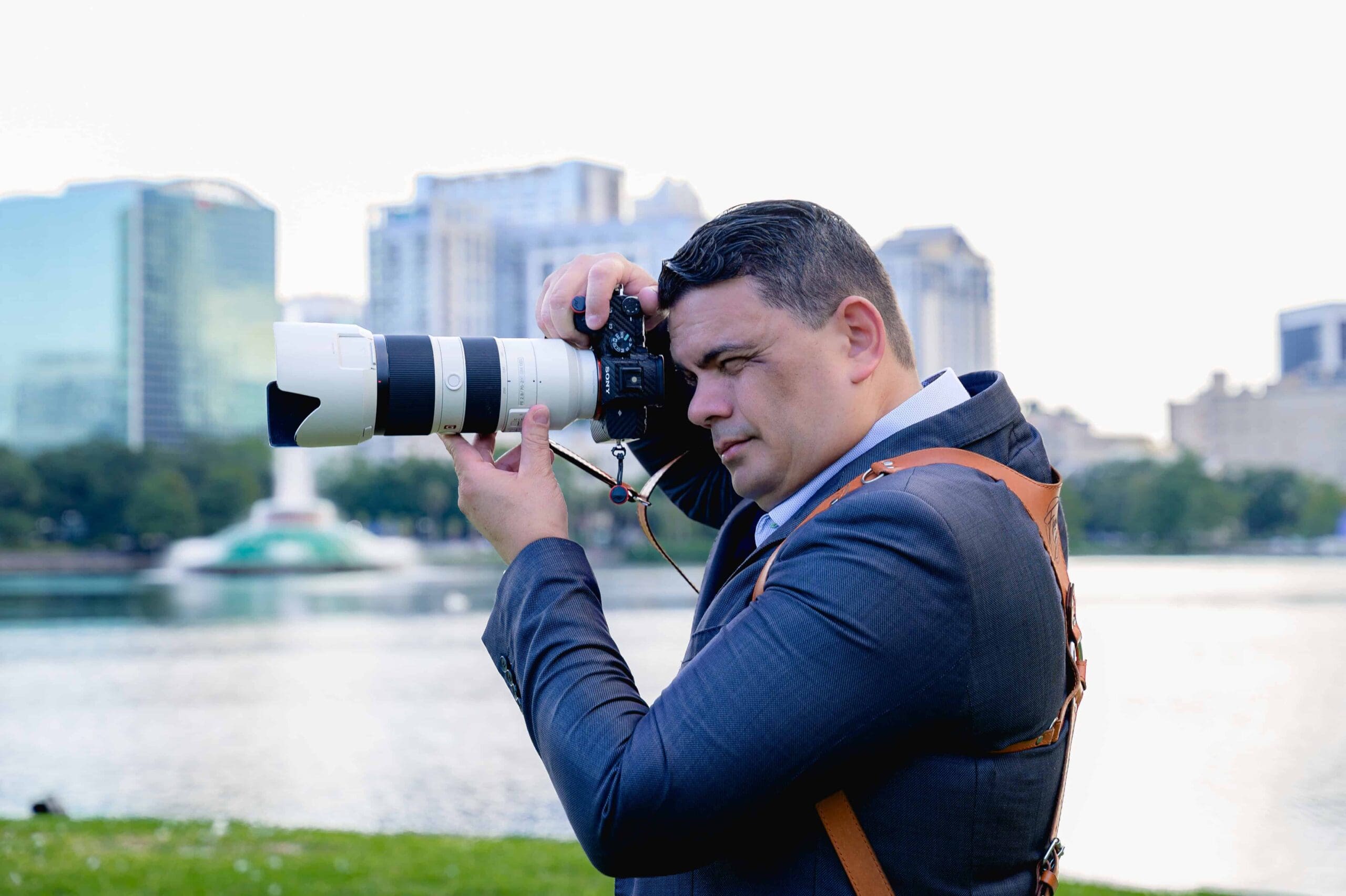
I’m Frank Suero, a wedding and engagement photographer based in Orlando, Florida, with a deep passion for capturing love stories in their purest, most timeless form. To me, photography is more than simply documenting a moment—it is about preserving the essence of a couple’s journey, transforming fleeting emotions into lasting heirlooms. Every glance, every embrace, and every quiet, intimate moment carries a story, and my purpose is to ensure that story is told with authenticity, elegance, and depth.


