
October 12, 2026
How to Choose Wedding Prints for a Lasting Legacy
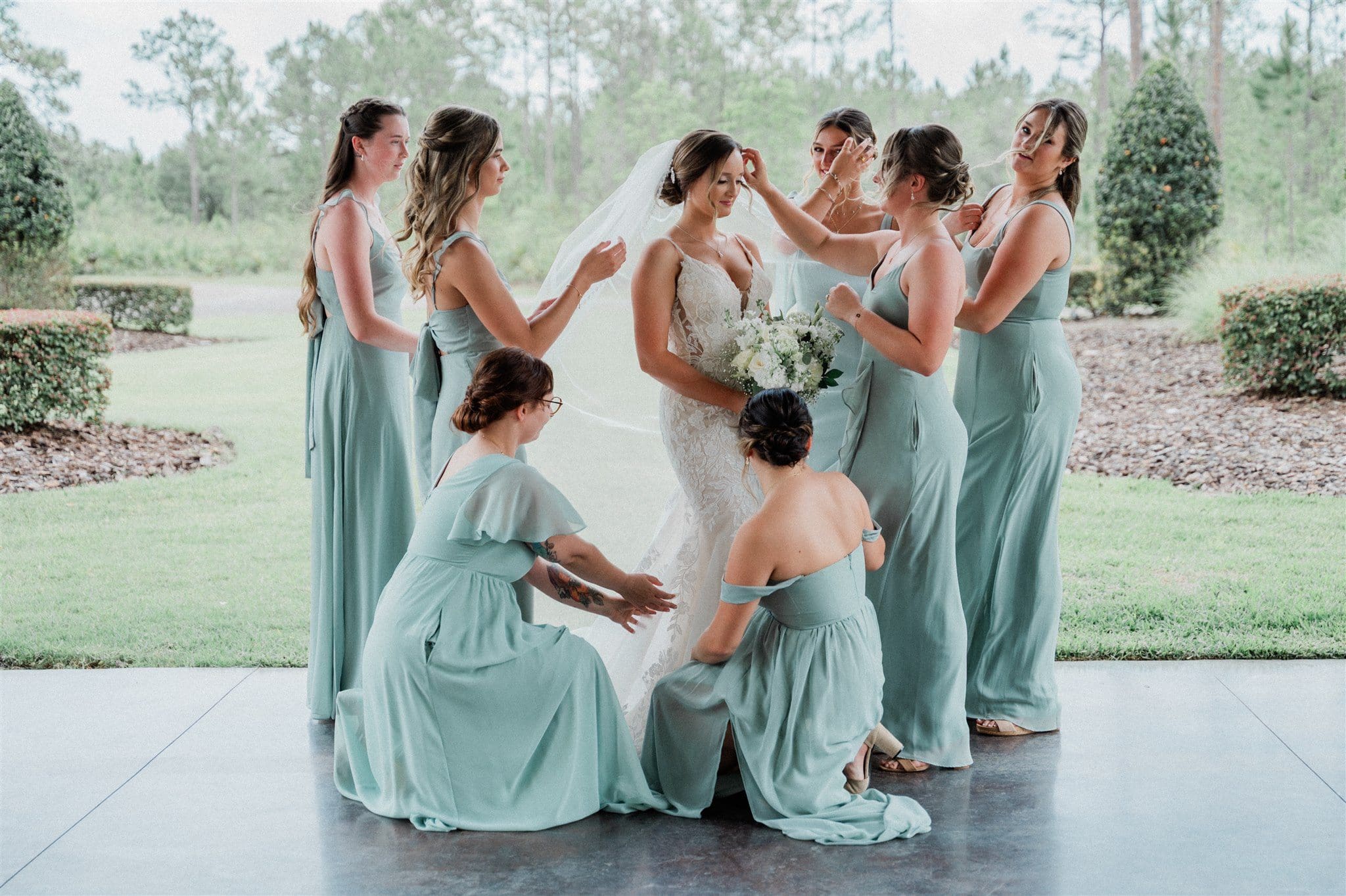
A wedding gallery holds hundreds of beautiful moments, but the images that live on your walls and in your hands are the ones that become part of your life together. Learning how to choose wedding prints is less about selecting the technically perfect photograph and more about recognizing the images that still make you feel something: your grandmother’s laugh during dinner, the deep breath before the ceremony, the way your partner looked at you when no one else was watching.
Your wedding photographs deserve more than a brief season on a screen. Thoughtfully chosen prints turn the story of one extraordinary day into a daily reminder of the people, promises, and atmosphere that made it yours.
Begin With the Images That Feel Like You
The first images couples often favorite are the obvious ones: the ceremony kiss, the family portraits, the grand exit. Those matter, of course. Yet the most meaningful wedding prints often come from the quieter frames in between.
As you revisit your gallery, pause before deciding what is “print-worthy.” Notice which photographs slow you down. Perhaps it is the portrait where you have forgotten the camera is present, or an image of your father adjusting his cufflinks before walking you down the aisle. Maybe it is a wide scene that captures the architecture of your estate venue, the candlelight at dinner, and every person you chose to gather close.
A print should carry emotional weight, not simply visual polish. The photographs you return to instinctively are usually the strongest place to begin. They reveal the texture of your day in a way a checklist never can.
Choose Both the Landmark Moments and the In-Between Ones
A well-rounded collection needs contrast. Select a few defining moments that anchor the narrative, then make room for the unrepeatable details around them. A refined portrait can sit beautifully beside a candid photograph of a parent wiping away tears. A sweeping reception image gains warmth when paired with a close, intimate frame of intertwined hands.
This balance matters especially when creating an album or gallery wall. Too many formal portraits can feel static. Too many detail images can leave the story without its emotional center. The goal is not to print every category of wedding photograph. It is to create a collection that feels like the day itself: elegant, alive, and deeply personal.
How to Choose Wedding Prints by Room and Purpose
The right print is not chosen in isolation. Consider where it will live, how often you will see it, and what you want it to evoke in that space.
For a primary living space, choose an image with a sense of ease and permanence. A cinematic portrait in soft light, a landscape-oriented ceremony image, or a joyful just-married moment can become a focal point without feeling overly formal. These are often the photographs that invite conversation while remaining true to your home’s design.
Bedrooms and more private spaces allow for quieter choices. A close portrait, a gentle moment from your first look, or an image from a slow walk after the ceremony can feel especially appropriate there. These photographs do not need to explain the whole wedding. They only need to bring you back to one honest feeling.
Smaller prints are ideal for desks, shelves, and gifts. Consider images that honor the people who helped shape your story: a meaningful embrace with a sibling, a parent’s proud expression, or a spontaneous moment with lifelong friends. For family members, the most treasured print is often not the most editorial image. It is the one that confirms how loved they were on your wedding day.
Let Scale Follow the Strength of the Image
Not every photograph needs to be enlarged, and not every image can carry a large format. A wide image with clean composition and an intentional sense of place often makes a striking statement print. Images with intricate expressions, subtle gestures, or delicate details may be more powerful at an intimate size where viewers can move closer.
Before choosing dimensions, imagine the wall and the viewing distance. A large print above a sofa or fireplace needs room to breathe. A smaller framed image can create warmth in a hallway, on a bedside table, or within a layered shelf display. If you are building a gallery wall, vary scale intentionally while keeping the visual mood connected.
There is also value in restraint. One exceptional, generously sized print can have more presence than a crowded wall of images competing for attention.
Prioritize Timelessness Over a Passing Aesthetic
Wedding imagery is often influenced by the visual language of the moment. Certain crops, color treatments, and social-media trends may feel exciting now, but prints are meant to remain with you long after those references fade.
Choose images with emotional clarity and a refined visual foundation. Natural light, honest expression, considered composition, and true-to-life color tend to hold their beauty over time. This does not mean every print must be traditional. A blurred dance-floor image, a dramatic black-and-white portrait, or an artful editorial frame can be wonderfully timeless when it reflects the real energy of your celebration.
The question is not whether an image feels current. Ask whether it will still feel like you in ten, twenty, or forty years. The most enduring wedding prints are not built around what was popular. They are built around connection.
Consider Material as Part of the Story
The paper, finish, and presentation you choose shape how a photograph is experienced. Fine-art printing gives dimension to skin tones, fabrics, florals, and the nuanced light that defines a wedding day. It allows an image to feel considered rather than reproduced.
Matte finishes offer a soft, painterly quality and work beautifully for romantic portraits or images rich in subtle tones. A luster finish has gentle sheen and depth, making it a versatile choice for vibrant celebrations and candid moments. Framing introduces another layer of intention, whether your home calls for warm wood, understated white, or a more tailored black frame.
The best material depends on your home and the image itself. A dramatic reception scene may come alive with richness and contrast, while a sunlit bridal portrait may benefit from a more delicate finish. This is where professional guidance is valuable. You do not need to understand every paper option before beginning. You simply need to share how you want the photographs to live with you.
Build an Heirloom Collection, Not a Perfect Checklist
This is for you if you want your wedding photographs to become part of your family heritage rather than remain a folder you mean to revisit someday. Start with the images you would want future generations to see: the people who were present, the traditions you honored, the setting you chose, and the love that animated every part of the day.
An heirloom album is often the most complete way to preserve that story. It can hold the anticipation of getting ready, the ceremony, portraits, celebration, and the quiet final moments in one intentional sequence. Framed prints then allow a few chapters of that story to live visibly in your everyday spaces.
You do not have to decide everything at once. Begin with the images that feel essential, then let the collection grow with your life. An anniversary print, a frame added after moving into your first home, or a duplicate album for parents can deepen the legacy over time.
Your wedding day moved quickly because it was full. Choosing prints gives those moments a place to settle. Trust the images that bring you back to the feeling, and let them become the lasting heirlooms your future home deserves.

I’m Frank Suero, a wedding and engagement photographer based in Orlando, Florida, with a deep passion for capturing love stories in their purest, most timeless form. To me, photography is more than simply documenting a moment—it is about preserving the essence of a couple’s journey, transforming fleeting emotions into lasting heirlooms. Every glance, every embrace, and every quiet, intimate moment carries a story, and my purpose is to ensure that story is told with authenticity, elegance, and depth.


