
September 1, 2026
How to Choose a Wedding Photographer You Trust
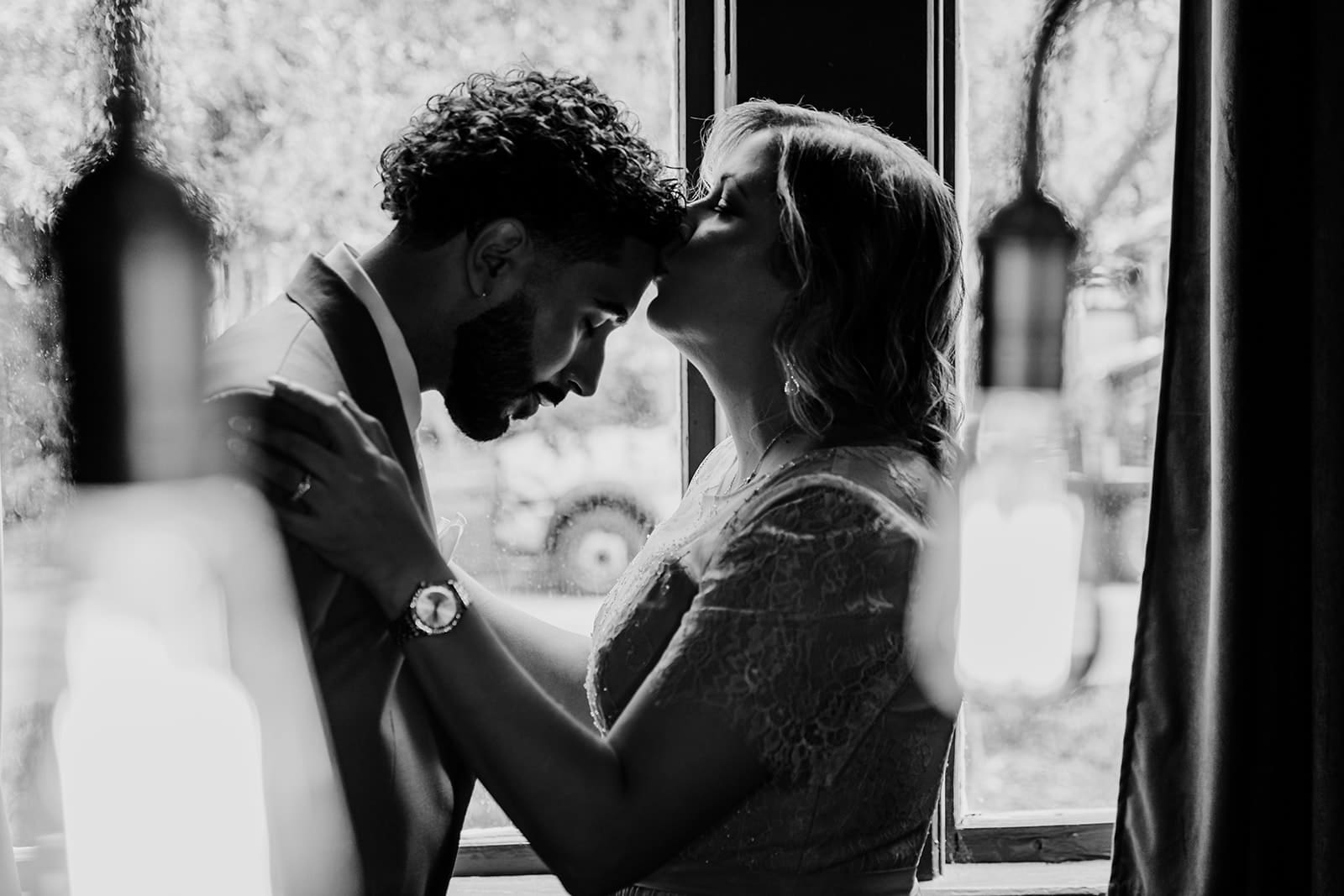
Your wedding photographs will hold more than the events of a single day. They will preserve the way your father looked at you before the ceremony, the laughter that interrupted a toast, and the quiet exhale you shared after saying your vows. Learning how to choose a wedding photographer is not simply about finding beautiful images. It is about choosing the person you trust to notice what matters while allowing you to fully live it.
For couples planning a refined celebration, the right photographer brings both an artistic point of view and a calming presence. Their work should feel considered without feeling controlled, elevated without losing the emotional truth of the day.
Begin With the Feeling You Want to Remember
Before comparing packages or scrolling through social media, consider how you want your wedding to feel when you revisit it years from now. Perhaps you are drawn to graceful portraits, sunlit architecture, meaningful family moments, and the energy of a full dance floor. Maybe you want imagery that feels editorial in its composition but natural in its emotion.
A photographer’s portfolio should reflect that balance consistently. Look beyond a handful of striking images. Study full wedding galleries to see how they tell the complete story: the anticipation of getting ready, the ceremony in changing light, the in-between moments, and the celebration after dark. A beautiful bridal portrait matters, but so does the photographer’s ability to document your grandmother’s embrace or your friends’ unrestrained joy with the same care.
Timeless work is not the absence of style. It is imagery rooted in honest color, thoughtful composition, and real connection rather than a fleeting filter or a rigid pose that may feel dated in a few years.
How to Choose a Wedding Photographer With a Style That Lasts
Style is often the first thing couples notice, but it is worth defining what you mean by it. Do you prefer luminous, airy photographs or richer, more dramatic tones? Are you drawn to images that are quietly observant, fashion-forward, or a blend of both? There is no universally correct answer. The most meaningful choice is the one that feels aligned with your celebration and your own sense of beauty.
As you review portfolios, notice whether skin tones appear natural and whether the visual approach remains consistent across different venues, seasons, and lighting conditions. An experienced photographer can create cohesive work in a historic estate, a Florida resort ballroom, a private residence, or a destination setting without forcing every environment into the same look.
Also pay attention to the people in the photographs. Do they look comfortable? Are the portraits elegant but alive? If every image feels heavily posed, the experience may not suit you if you value candid connection. On the other hand, if you love a more guided, editorial approach, you should choose someone who can direct with clarity rather than leaving you wondering where to stand or what to do with your hands.
The strongest wedding photography often lives between those two instincts: intentional portraits created with confidence and unscripted elegance documented as it unfolds.
Look for Experience, Not Just a Beautiful Feed
A wedding day moves quickly and rarely follows the timeline perfectly. Rain shifts a ceremony indoors. A family member arrives late. Cocktail hour begins before formal portraits are finished. These moments do not need to become problems when your photographer has the experience to respond calmly and protect the atmosphere around you.
Ask how they approach a wedding day, collaborate with planners, work in difficult light, and organize family portraits efficiently. Their answers should feel specific, not rehearsed. You are listening for a process that makes room for beauty and flexibility.
A thoughtful photographer knows when to step forward with direction and when to disappear into the background. They should be able to gently guide you into flattering light, create time for meaningful portraits, and then allow the day to breathe. This balance is especially valuable for couples who do not want to spend their wedding performing for the camera.
Pay Attention to the Relationship
You will spend more time with your photographer on your wedding day than with almost any other vendor. That relationship matters. During your consultation, notice how you feel. Are they curious about your story, your priorities, and the people who will be in the room? Do they answer questions clearly? Do they make the process feel less overwhelming?
This is for you if you want personal guidance without having to art-direct every photograph. The right photographer will learn what matters most to you, then translate that understanding into a thoughtful visual plan. They may ask about family dynamics, sentimental details, your comfort level in front of the camera, and the atmosphere you hope guests will feel.
An engagement session can also be a valuable part of the experience. It gives you time to become comfortable together before the wedding, understand how your photographer guides you, and see that natural-looking images do not require you to be naturally comfortable in front of a camera. Trust is built well before the wedding morning.
Understand What Your Investment Includes
Photography collections can look similar on paper while offering very different experiences. Ask what is included, how many hours of coverage are appropriate for your plans, whether a second photographer is recommended, and what support is offered before and after the wedding. The lowest number is not always the clearest measure of value.
Consider the final form of your photographs, too. A digital gallery makes sharing easy, but physical heirlooms create a different kind of permanence. A handcrafted album can become part of your family heritage, brought out on anniversaries and shared with future generations. Fine-art prints allow the images you love most to live beyond a screen.
At Frank Suero Photography, wedding collections begin with a genuine-leather heirloom album because the finished story deserves more than a folder on a device. Whether an album is essential to you or not, ask any photographer how they help you preserve and enjoy the work after delivery.
Ask Questions That Reveal Their Process
You do not need an exhaustive checklist to have a meaningful conversation. A few well-chosen questions can tell you a great deal about the experience ahead. Ask to see complete galleries from weddings similar in scale or setting to yours. Ask how they create a timeline that leaves room for portraits without taking you away from your guests for hours. Ask how quickly you can expect previews and the final gallery.
It is also wise to discuss practical protections: backup equipment, image storage, insurance requirements, travel arrangements, and what happens if an unexpected emergency prevents them from photographing your wedding. A professional will welcome these questions. Clear communication is part of the service, not an inconvenience.
Choose the Person, Not the Trend
Pinterest can be useful for expressing a mood, but it cannot tell you who will make you feel at ease when the schedule tightens or the weather changes. Avoid choosing a photographer solely because they recreated a viral pose or photographed a venue you admire. Trends pass quickly. A trusted artistic perspective and a genuine connection endure.
When you find someone whose images move you, whose process feels attentive, and whose presence brings a sense of calm, pay attention to that response. The right photographer will not just give you photographs to post the week after your wedding. They will give you a way back to the people, promises, and feelings that made the day entirely yours.


